29 May 2026
Post by Aurorina
Bird photography demands dedication, skill, and the right gear. Mirrorless cameras have revolutionized this field by providing speed, precision, and versatility, making them the preferred choice for both enthusiasts and professionals.
Introduction
Bird photography enthusiasts require a camera that can handle spontaneous action and deliver stunning image quality. Mirrorless cameras are increasingly popular, thanks to their compactness and advanced autofocus systems. These features are essential for capturing the quick and often unpredictable behaviors of birds. Unlike their DSLR counterparts, mirrorless cameras offer electronic viewfinders and faster shooting speeds, empowering photographers to seize stunning moments with ease.
Essential Features to Consider in Mirrorless Cameras
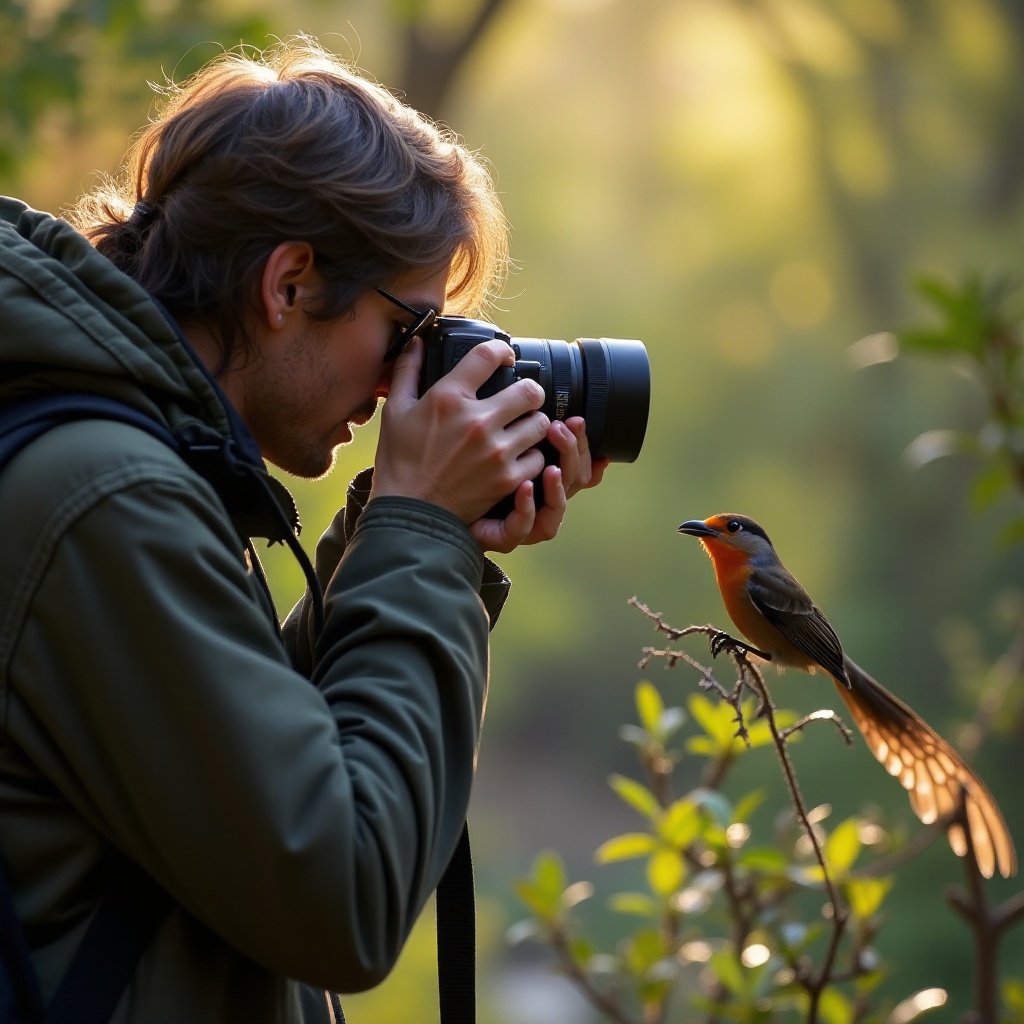
When choosing a mirrorless camera for bird photography, focus on specific features that enhance performance. Autofocus speed and accuracy are paramount, allowing you to quickly lock onto rapidly moving birds. A high burst rate is essential, enabling you to capture multiple frames per second and ensuring that no critical moment is missed. Portability and ergonomics are equally important; a lightweight camera facilitates extended shooting without fatigue.
Prioritizing these features depends on your unique needs and photographic style. Whether photographing majestic eagles or tiny hummingbirds, having the right specs can make a significant difference. As we explore the top camera choices, you’ll see why these features are emphasized in the models we discuss.
Top Mirrorless Cameras for Bird Photography in 2024
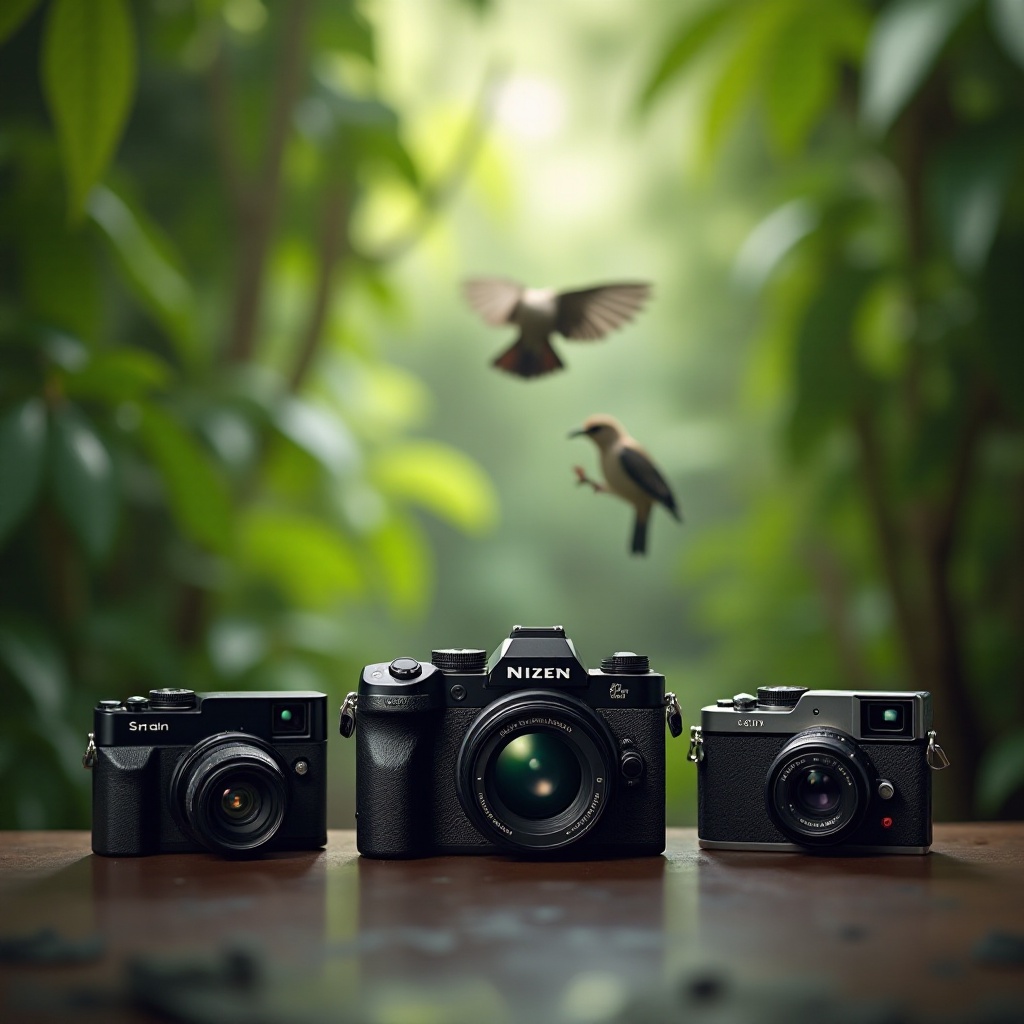
Three cameras have emerged as frontrunners for bird photographers in 2024, each offering unique advantages.
-
Sony A1: Unmatched Speed and Precision
The Sony A1 is celebrated for its extraordinarily fast autofocus system and its ability to shoot 30 frames per second. These features are crucial for capturing fast-moving birds with unparalleled clarity. The camera’s advanced sensor and processor deliver exceptional detail and vibrant color reproduction, making it an ideal choice for wildlife photographers. -
Canon EOS R5: Versatility and Performance
The Canon EOS R5 strikes a balance between speed and high resolution, thanks to its 45-megapixel sensor and 20 fps continuous shooting capability. Image stabilization enhances handheld shooting, minimizing motion blur. This camera excels in diverse environments, making it a versatile tool for bird photography. -
Nikon Z9: Innovation and Reliability
Known for its durability and innovative features, the Nikon Z9 comes equipped with a blackout-free viewfinder for seamless tracking of fast-action sequences. Its 8K video capability is perfect for those interested in capturing dynamic bird footage. Reliable across various weather conditions, the Z9 is a trustworthy companion for bird photographers.
As technology evolves, these cameras represent the pinnacle of performance, setting new standards for what bird photographers can achieve.
Recommended Lenses for Bird Photography
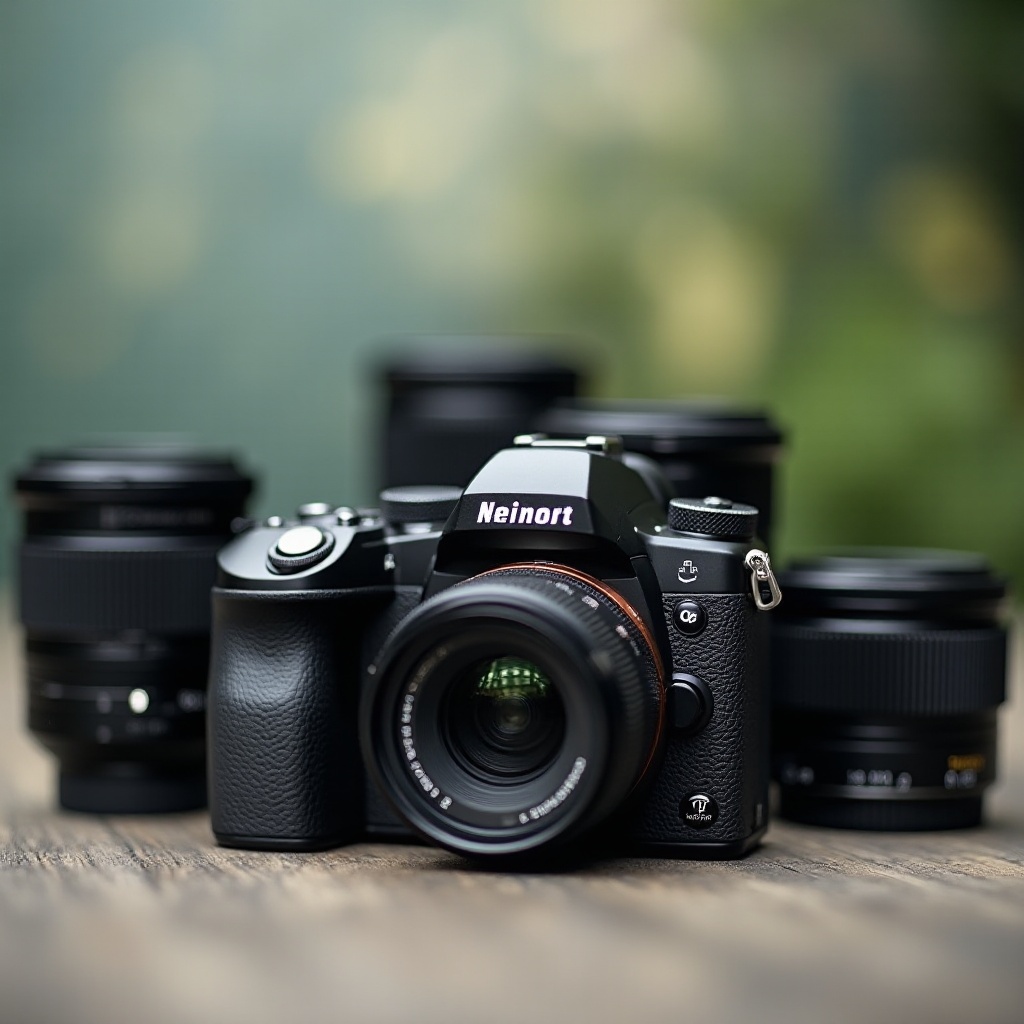
Selecting the right lens is as crucial as choosing the right camera. The lens influences your ability to approach subjects closely and impacts image sharpness.
-
Prime Lenses vs. Zoom Lenses
Prime lenses offer superior sharpness and wide apertures for low-light conditions. However, zoom lenses provide flexibility in framing, essential for tracking unpredictable bird movements. -
Top Picks for Each Camera Model
- The Sony A1 pairs well with the 200-600mm f/5.6-6.3 G OSS lens, known for its reach and excellent image stabilization.
- For Canon EOS R5, the RF 100-500mm f/4.5-7.1 L IS USM is highly recommended, offering a blend of quality and versatility.
- The Nikon Z9 and NIKKOR Z 400mm f/2.8 TC VR S lens combo delivers exquisite detail at significant distances.
These lenses allow photographers to capture birds creatively and competently without disturbing them.
Expert Tips for Capturing Perfect Bird Shots
Even the best equipment requires skillful application for exceptional results.
-
Composition and Framing Techniques
Understanding bird behavior enhances composition. Position subjects using the rule of thirds for visually appealing images, and consider lighting direction for dramatic effects. -
Best Times of Day for Bird Photography
Capitalize on the golden hours—early morning and late afternoon—when natural light is soft and warm, highlighting bird colors and textures beautifully.
Equipped with these techniques and the right gear, photographers can significantly boost their ability to capture stunning bird imagery, immortalizing the beauty and essence of their avian subjects.
Conclusion
Mirrorless cameras have opened new horizons for bird photographers. Their speed, compact design, and advanced features empower photographers to explore various locations and capture breathtaking moments. By selecting the best mirrorless camera and honing core techniques, photographers can achieve remarkable bird images with precision and grace.
Frequently Asked Questions
What makes mirrorless cameras better for bird photography than DSLRs?
Mirrorless cameras offer faster autofocus and lighter bodies, ideal for capturing fast bird movements.
How does autofocus technology differ among the top camera models?
Cameras like the Sony A1 use real-time tracking, providing exceptional speed and accuracy in capturing motion.
What settings are best for capturing birds in flight?
Use a fast shutter speed (at least 1/2000s) and high burst rate to freeze motion while maintaining image clarity.