19 Jan 2026
Post by Aurorina
Introduction
The Google Pixel series distinguishes itself in the smartphone market with its innovative design and features. Among these features, the presence of a headphone jack has sparked considerable discussion. This debate affects consumer decisions and enhances the complexity of the tech landscape. In this article, we delve into the history and reasons behind the headphone jack’s journey within Pixel models and explore alternatives available today.
Understanding the Google Pixel Series
Google Pixel phones are synonymous with innovation, marking each generation with unique offerings. The initial models highlighted features like exceptional cameras and a user-friendly interface, alongside the inclusion of a headphone jack.
-
The Evolution of Google Pixel Models: The Pixel series launched to much fanfare, setting new standards with each release. Initially, it clung to the conventional audio jack, pending technological and market shifts that saw its eventual removal.
-
The Role of the Headphone Jack in Initial Releases: The first devices in the Pixel series included a headphone jack, an important factor for many users emphasizing traditional audio connectivity. This decision catered to the preferences of tech enthusiasts who valued direct wired connections.
As subsequent versions evolved, Google began repositioning its design philosophy, exemplifying broader industry trends and setting the stage for future choices about audio outputs.

Google Pixel Models Featuring a Headphone Jack
Exploring Google’s Pixel lineup reveals which models met the needs of users preferring wired audio solutions.
-
Early Models: Which Ones Included It? Models like the original Google Pixel and Pixel XL included headphone jacks, fitting the norm at the time. However, by the release of the Pixel 2, Google had removed the jack, conforming to a trend embraced by several competitors.
-
User Reviews and Experiences with These Models: Owners of early Pixel models often praised the convenience offered by a headphone jack. The ability to use existing headphones without adapters contributed to a seamless user experience that many appreciated.
This transition away from the headphone jack redefined user interaction with their devices and triggered innovation in how people consume audio.
Transitioning Away from the Headphone Jack
Google’s strategic pivot away from the headphone jack represented a significant shift, pushing users toward modern alternatives.
-
Reasons Behind Google’s Decision: The move away from including a headphone jack revolved around several factors including the desire for sleeker designs and the rise of wireless technology. By eliminating the jack, Google could focus on optimizing internal space and promoting the adoption of new audio solutions.
-
Impact on Consumer Buying Habits: While some users initially resisted the change, citing concerns about audio quality and functionality, the market eventually adapted. The convenience and modernity of wireless solutions contributed to changing consumer preferences, leading many to embrace the new norm.
The shift inspired innovation and set the stage for current Pixel models to integrate advanced audio solutions seamlessly.
Audio Alternatives in Recent Google Pixel Models
Despite the absence of a headphone jack, recent Pixel models provide robust audio experiences through modern solutions.
-
Embracing Wireless Solutions: Google encourages users to adopt wireless technology, offering products like the Google Pixel Buds to complement their devices. These earbuds deliver high-quality sound while providing features such as Google Assistant integration.
-
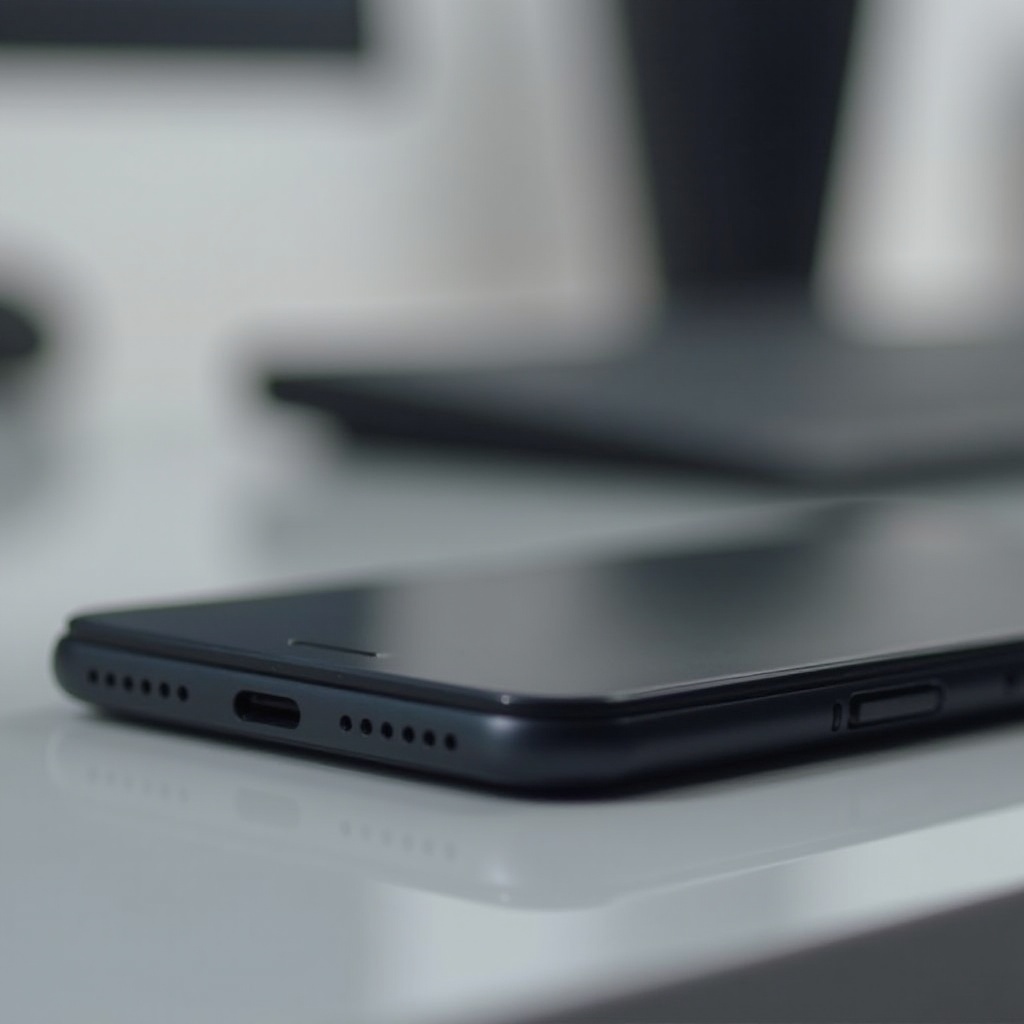
The Role of USB-C in Modern Audio: The transition to USB-C as the connectivity standard enables users to enjoy wired audio without a traditional headphone jack. USB-C accessories maintain audio quality and cater to users who still prefer physical connections.
These options simplify the audio experience, ultimately enhancing user satisfaction with modern Pixel devices.
Consumer Considerations and Buying Decisions
Prospective buyers must weigh their priorities against the technological advancements of recent Pixel phones.
-
Key Factors to Consider When Choosing a Phone: Buyers should consider their audio preferences and the availability of alternatives when deciding on a Pixel model. Some may prioritize the latest technology and design features, while others may value traditional audio connectivity.
-
How to Adapt to a Headphone Jack-Less Device: Adapting to devices without a headphone jack is manageable. Investing in Bluetooth headphones or appropriate USB-C adapters ensures compatibility without sacrificing quality. Understanding these transitions allows consumers to make informed decisions, ensuring satisfaction with their choice.
Considering these factors can convert hesitation into enthusiasm for new devices, aligning personal preferences with tech innovations.
Conclusion
The evolution of Google Pixel models mirrors the industry’s movement toward a wireless future. While early models included headphone jacks, recent versions reflect new trends prioritizing design and functionality. Understanding this shift aids consumers as they navigate their purchasing decisions, ensuring they select devices compatible with their audio needs.
Frequently Asked Questions
Does the latest Google Pixel model include a headphone jack?
No, the latest Google Pixel models do not feature a headphone jack, following the trend toward wireless and USB-C connections.
What are the best audio alternatives to a headphone jack?
The best alternatives include wireless earbuds like Google Pixel Buds and USB-C headphones or adapters for those preferring wired connections.
How can I connect my wired headphones to a Google Pixel without a jack?
You can use a USB-C to 3.5mm adapter to connect wired headphones to newer Google Pixel models that lack a headphone jack.